
Creating an energy-efficient home benefits both the environment and household budgets. Implementing strategies to reduce energy consumption can lead to significant savings on utility bills while promoting sustainability. Many homeowners are turning to practical solutions that make their spaces more comfortable and environmentally friendly.
Simple changes, like upgrading to energy-efficient appliances and improving insulation, can make a noticeable impact on a home’s overall energy performance. Additionally, adopting smart technology can help monitor and control energy usage effectively. Each step taken towards optimizing energy efficiency contributes to a more sustainable lifestyle.
As energy costs continue to rise, the urgency to improve home efficiency is greater than ever. Understanding how to maximize energy use not only helps in saving money but also plays a crucial role in reducing the carbon footprint. Embracing these changes can transform any living space into an energy-efficient haven.
Assessing Your Home’s Energy Use
Understanding a home’s energy use is crucial for identifying areas that may benefit from improvements. This process includes conducting an energy audit and analyzing utility bills. Both steps provide insights into current consumption patterns and costs.
Energy Audit Essentials
An energy audit is a comprehensive examination of a home’s energy use. Homeowners can choose between professional audits or DIY methods. Professional audits usually involve specialized equipment and expertise, while DIY audits can be conducted with basic tools.
Key areas to assess include:
- Heating and Cooling Systems: Check for efficiency ratings and maintenance needs.
- Insulation Levels: Identify gaps in insulation that may lead to energy loss.
- Windows and Doors: Inspect for drafts or sealing issues.
All findings from an energy audit will help prioritize improvements and can lead to significant energy savings.
Interpreting Energy Bills
Analyzing utility bills is crucial for understanding energy costs and consumption trends. Homeowners should start by examining usage over several months. This information reveals patterns and potential areas for savings.
Focus on:
- Comparative Usage: How does monthly usage change with seasons?
- Rate Structures: Are there tiered rates or off-peak pricing?
- Total Costs: Monitor changes in total expenses to identify significant increases.
Utilizing energy usage graphs and calculations from bills can help pinpoint which appliances or systems consume the most energy, guiding decisions for more efficient upgrades.
Improving Heating and Cooling Systems
Enhancing heating and cooling systems can lead to significant energy savings and increased comfort. Focus on optimizing HVAC performance and incorporating smart technologies for effective temperature management.
Optimizing Your HVAC System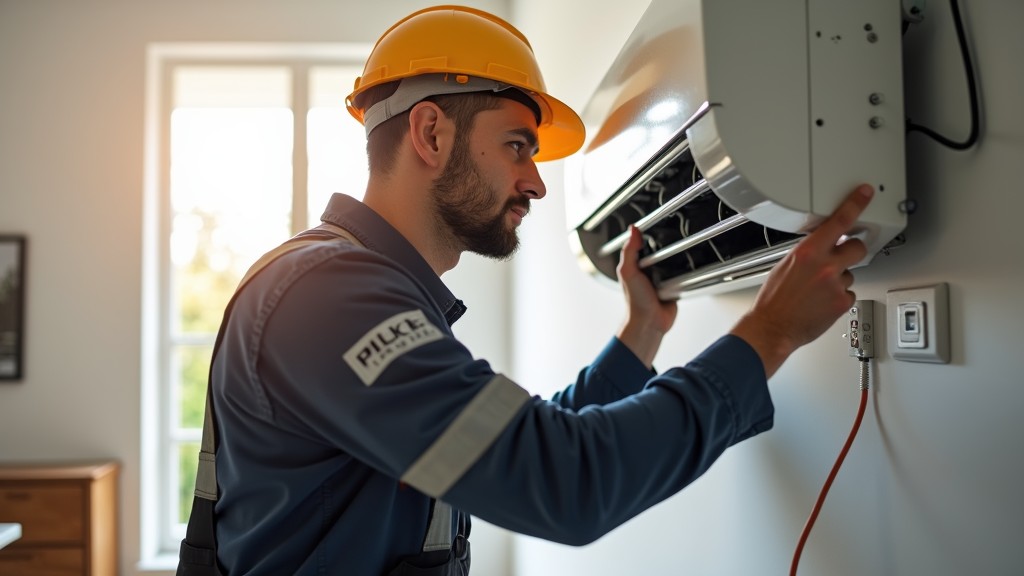
A well-maintained HVAC system can operate efficiently and reduce energy consumption. Regularly replacing filters every 1-3 months ensures optimal airflow and helps the system run smoothly.
Scheduling annual maintenance checks with a professional heating and air company is crucial for identifying repair needs. During these inspections, technicians can clean components and check for refrigerant leaks, which can hinder efficiency.
Additionally, consider upgrading to a heat pump. They provide effective heating and cooling, often with lower energy usage compared to traditional systems. Something like this airrex 5 ton heat pump is typically more than suitable for heating a single household on it’s own, meaning you can have one unit to solve warming the entire house and can avoid an extensive and meticulous setup that requires excavation or special fitting. Insulating ducts and sealing leaks also minimize energy loss, making the HVAC system more effective.
Programmable and Smart Thermostat Integration
Integrating a programmable or smart thermostat into the home can drastically enhance energy efficiency. These devices allow for tailored heating and cooling schedules, aligning with the occupants’ routines.
For example, it can automatically adjust temperatures when no one is home. This ensures energy isn’t wasted on heating or cooling unoccupied spaces. Many smart thermostats offer remote access through mobile apps, allowing for adjustments from anywhere.
Moreover, some models provide energy usage reports, helping homeowners identify patterns and optimize settings. Utilizing these technologies can significantly lower energy costs and improve overall comfort levels in the home.
Upgrading to Energy-Efficient Appliances
Upgrading to energy-efficient appliances is a critical step in reducing home energy consumption. These appliances not only lower electricity bills but also contribute to a sustainable environment. Selecting the right products and understanding their benefits can pave the way for significant energy savings.
Selecting ENERGY STAR Certified Products
When choosing appliances, it is essential to look for those that are ENERGY STAR certified. These products meet strict energy efficiency guidelines set by the U.S. Environmental Protection Agency.
Key items to consider include:
- Refrigerators: Efficient models can save over $200 in energy costs during their lifetime.
- Dishwashers: Newer designs use less water and energy, often under 3 gallons per cycle.
- Washers & Dryers: High-efficiency washing machines can save up to 50% on water usage.
Additionally, it is important to review the ENERGY STAR label, which provides data on energy consumption. Appliances with this certification are tested for performance, ensuring they save energy effectively.
Benefits of Energy-Efficient Appliances
Investing in energy-efficient appliances offers several advantages. First, they significantly reduce energy consumption, leading to lower utility bills.
Here are some benefits:
- Reduced Standby Power: Many modern appliances consume less energy when not in use. This capability minimizes standby power waste.
- Longevity and Reliability: Energy-efficient devices often have better build quality, meaning they may last longer than traditional ones.
- Environmental Impact: By using less energy, these appliances help decrease greenhouse gas emissions.
Upgrading appliances can also enhance home comfort, providing better temperature control or efficient water heating. The long-term savings and environmental contributions make them a worthwhile investment.
Enhancing Home Insulation and Sealing
Improving home insulation and sealing effectively reduces energy waste. This section focuses on practical strategies that can enhance energy efficiency through window treatments and the sealing of air leaks.
Effective Window Treatments and Weatherstripping
Window treatments and weatherstripping play a crucial role in controlling heat loss. Energy-efficient window treatments, such as insulated curtains or cellular shades, can significantly reduce heat transfer.
When closed, they create an additional barrier against the cold in winter and keep interiors cool during summer.
Weatherstripping is equally important. Applying weatherstripping around energy rated windows helps to eliminate drafts and air leaks. Various types are available, including adhesive foam strips and V-strip options. These materials are relatively inexpensive and easy to install, yielding substantial energy savings over time.
Caulking and Sealing Air Leaks
Caulking is essential for sealing gaps that allow air to escape. It can be applied around windows, doors, and baseboards to prevent cooler air from entering and conditioned air from leaking out.
Common types of caulk include acrylic, silicone, and latex, each suitable for different surfaces. Choosing the right caulk ensures durability and effective sealing.
In addition to caulking, identifying air leaks should be a priority. Homeowners can perform simple tests using a lit candle or incense stick to pinpoint areas of airflow. Sealing these gaps proactively leads to energy efficiency improvements, reducing heating and cooling costs significantly.